Accelera Badak X-Treme
Extreme mud-terrain tires for 4x4 builds
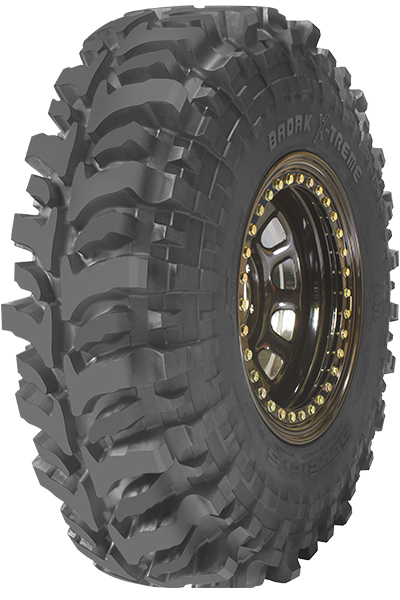
Badak X-Treme keeps a 4x4 moving where ordinary mud-terrain tread runs out of grip. Open primary blocks dig into soft ground, diamond lugs down the sidewall add bite once the tire sinks into a rut, and a reinforced shoulder takes the impacts that come from outside the tread. Eleven fitments cover everything from a compact side-by-side to a 40-inch build.
The Badak Sizes People Ask For Most
35x12.5-15 LT 6PR
The classic 35 on a 15-inch wheel, and the size most Badak buyers ask for.
Check availability35x10.5-15
Full 35-inch height on a narrow casing, for diameter without the width.
Check availability33x12.5-15 LT 6PR
The wide 33. More footprint once you air down, more lateral clearance needed.
Check availability265/75 R16 LT 10PR
Radial construction in a common metric LT size, around 31.6 inches tall.
Check availability37x11.5-17
A tall, comparatively narrow 37 for lifted trucks and trail builds.
Check availability40x13.5-17 LT 8PR
The largest Badak. Expect suspension, gearing and clearance work.
Check availabilityEvery Badak X-Treme Size
All 11 published fitments, grouped by wheel diameter. Each entry shows its load index and speed symbol, plus the ply rating where Accelera publishes one.
14-inch wheels · 1
15-inch wheels · 5
16-inch wheels · 2
Which fitments sit in stock changes through the year and by market. Confirm the full size designation, the approved rim width and the load rating your vehicle needs before ordering.
What the Badak Tread Actually Does
Open primary tread blocks
Large blocks with wide gaps between them. The leading edges dig into loose ground instead of skating across the top of it, and the open channels leave somewhere for displaced soil to go. A road tread has neither: its blocks sit close together and the voids fill immediately.
Secondary blocks between the main lugs
Smaller tread elements fill parts of the tread and shoulder that the primary blocks leave empty. They matter most when the surface keeps changing, because a tire climbing a rock one second and dropping into wet clay the next needs edges available across the whole contact patch, not just under the big lugs.
Diamond-shaped sidewall tread
The pattern carries on down the sidewall as raised diamond lugs. Once the tire sinks into a rut or presses against an obstacle, those lugs become a second contact surface. Aired down, they are often the part doing the work while the center tread is buried.
Reinforced shoulder
The shoulder takes the hits a road tire never sees: rock edges, roots, the lip of a rut. Badak X-Treme thickens that area to resist cutting. No pneumatic tire is puncture-proof, so pressure, wheel choice and line selection still decide how often you get away with it.
None of this is styling. The enormous voids exist to move material, the sidewall lugs exist to bite, and the thickened shoulder exists because that part of the tire meets rock. Those same choices are what cost the tire its road manners, which is the trade Badak X-Treme is asking you to make.
Badak X-Treme, Surface by Surface
Mud
What it was built for
Deep mud beats ordinary tread by filling the voids until the tire is effectively bald. The wide gaps here give soil room to move rather than pack solid, and rotation throws it clear so the next section of tread arrives with its edges exposed. That is what self-cleaning means in practice. The tread does not stay clean, it keeps shedding.
Rock and technical trail
Strong, with pressure set right
At trail pressure the casing wraps around an obstacle instead of bouncing off it, and the large blocks give plenty of rubber to load against uneven stone. Sidewall lugs come into play when the tire is pressed against a rock face. How well any of it works depends on vehicle weight and diff setup as much as on the tire.
Sand
Depends on flotation, not aggression
Sand rewards a big footprint more than a sharp edge, which is why drivers air down within the limits their wheel and tire allow. The wide blocks then spread across a larger contact patch. Wheelspin works against you here: dig deep enough and the axle becomes the next thing touching the ground.
Snow
Deep snow yes, ice no
Big blocks bite through loose snow that would swamp a shallow road tread. Packed snow and ice are a different problem, solved by a compound that stays soft in the cold and by dense siping, neither of which an extreme mud tread has. Where winter-tire rules apply, read the markings on the exact size rather than trusting the look of the tread.
Pavement
Usable, with real trade-offs
Expect more tread noise than a highway tire, higher rolling resistance, vaguer steering and faster wear if most of the mileage happens on asphalt. There is also less continuous rubber touching the road, so speed and following distance should reflect that, particularly in the wet.
The honest summary
Buy it for the hard part of the route
Badak X-Treme trades highway manners for traction where a highway pattern has no chance. If the difficult section is the reason the vehicle exists, that trade is worth making. If the truck commutes five days a week and sees a fire road twice a year, a milder all-terrain will serve better and cost less in noise and tread life.
Radial or Bias? Check the Exact Size
Badak X-Treme exists in both constructions, so two tires with the same tread pattern can behave quite differently on the road. The range became known for its bias-ply versions, and Accelera later added radial variants including the 27x8.5 R14 in 2023.
Bias construction gets chosen for dedicated trail vehicles because the carcass is tough and takes abuse. It also builds more heat and feels less settled on pavement. A radial separates tread and sidewall behaviour more cleanly, which usually means better road manners and better heat management, and it suits a vehicle covering real mileage between trails.
Do not assume from the tread photo. Read the full size designation before ordering.
How to tell from the size code
An R in the designation identifies a radial. 3 of the 11 published Badak fitments carry one:
- 27x8.5 R1498/95N
- 265/75 R16 LT 10PR123/120K
- 265/70 R17 LT 10PR121/118L
The flotation format used by the other sizes does not encode construction at all, so no R does not automatically mean bias. Confirm it against the sidewall or the seller listing for the exact tire.
Reading a Badak Size and Making It Fit
35x12.5-15, read left to right
This is flotation sizing, quoted in inches. 35 is nominal overall diameter, 12.5 is nominal section width, and 15 is the wheel diameter the tire has to mount on. All three are nominal: a real 35 measured on a rim, at pressure, under load, comes out somewhere near that number rather than exactly on it.
265/75 R16 works on a different system
Metric sizing puts section width in millimetres first, so 265 is the width. The 75 is aspect ratio, meaning sidewall height runs about 75 percent of that width. R identifies radial construction, and 16 is the wheel diameter in inches. A 265/75 R16 stands roughly 31.6 inches tall, which no part of the size code tells you directly.
Ply rating is a category, not a headcount
6PR, 8PR and 10PR describe strength relative to old cotton-ply construction. A 10PR tire is not built from ten physical layers. Treat the marking as a rough class and use the load index for anything that matters, because that is the number tied to an actual weight.
Load index outranks everything else here
The service description carries it: 121N on the 40x13.5-17, 113L on the 35x12.5-15, 123/120K on the 265/75 R16 where the two figures cover single and dual fitment. What the tire has to carry is set by the vehicle as it actually sits, armour, bumper, winch, drawers and fuel included, not by the weight it left the factory at.
Rim diameter alone does not mean it fits
Diameter decides clearance at the fender and body. Width decides clearance near suspension components. Wheel offset decides where that width ends up. Steering angle exposes interference that is invisible with the wheels pointed straight, so check through full lock and at full compression, not at ride height.
Going taller changes more than the look
A large jump in overall diameter alters effective final-drive ratio, which softens acceleration and loads the drivetrain harder. The speedometer reads low from that point on. Gearing and calibration are worth planning for before the tires arrive, not after the first tank of fuel comes out wrong.
Choosing between a 10.5 and a 12.5-inch width
A narrower tire concentrates the vehicle's weight over a smaller area and can cut down through soft surface material to reach firmer ground underneath. It also asks for less lateral clearance inside the wheel well. A wider one builds a larger footprint once pressure comes down, which helps where flotation matters more than penetration. Badak is unusual in offering several tall, narrow options such as 33x10.5 and 35x10.5, so a build can gain diameter without automatically going wide.
Pressure, Fitting and Wear
Air down deliberately, air up before the highway
Lower pressure enlarges the footprint and lets the casing conform to rock and ruts. Push it too far and the sidewall deflects more than it should, the bead can unseat and the casing overheats. There is no universal Badak trail figure: a heavy expedition truck and a light trail rig on the same nominal size need different numbers. Reinflate before any sustained run on pavement.
Have it mounted professionally
The larger flotation sizes are stiff and heavy, and a bad mount is worth more than the labour saved. Confirm wheel diameter and approved width first, then check clearance through full steering movement once the tires are on. Articulating suspension can bring a tire into contact with bodywork that looked clear standing still.
Check pressure cold
Read the gauge before driving, or after the tires have sat long enough to cool. A warm tire reads high, so setting pressure straight after a run leaves the vehicle underinflated once everything cools down. Uneven pressure across an axle shows up as irregular wear long before it shows up in the handling.
Inspect the shoulder after a hard day
Large sidewall lugs hide the carcass surface underneath them, which is exactly where a rock cut is easiest to miss. Look the tires over after contact with sharp stone. A cut through a lug, exposed cords or a bulge in the sidewall needs attention before the next trip, whatever the tread depth gauge says.
Rotate on the vehicle, not on a schedule you read somewhere
Off-road trucks load front and rear very differently, especially with a winch and bumper up front or a drawer system in the back. Set the interval from how the tread is actually wearing rather than from a generic figure, and keep an eye on whether one corner is running ahead of the rest.
Alignment matters more than owners expect
An extreme mud tread is built from large individual blocks, and poor alignment wears those blocks unevenly and fast. Shoulder wear, center wear or cupping usually points at inflation, alignment, balance or a tired suspension component. Rotation spreads that damage around the vehicle without curing the cause.
Badak X-Treme Owner Reviews
Awesome tires and fit perfectly on my car. The look Awesome and perform amazing. They work great on dirt, gravel, rocks, mud, pavement, etc. They arent the best tires for deep sand, but do ok as long as you kee...
Martin Ridgway
These tires look aggressive and perform as a offroad tire in your mind should..! I went through 2' streams mud and light runoff snow from the melt in high elevation mountains..! Also rocky terrain and drove on...
Diego gomez
I've had these particular tires on several different vehicles. They always have excellent attraction and get great mileage.
vaughn jensen
Love these tires and are deadly for rock climbing
Gary
Great customer service in dealing with my error in ordering incorrect size! Reordered and now tires are working out great on our side by side.
Amazon Customer
Good tires, great traction in all weather for my UTV highly recommend
Ryan
Who Makes Badak Tires
Accelera is the tire brand of PT. Elangperdana Tyre Industry, an Indonesian manufacturer that began producing tires in 1996. Its factory sits in Citeureup near Bogor, about three kilometres north of the Sentul International Circuit, on a site of roughly 208,000 square meters.
Badak X-Treme is not a street pattern given aggressive styling. Accelera's research team developed it around severe 4x4 use with the Indonesian off-road driver Syamsir Alam and the Indonesia Off-road Expedition community, and prototypes ran in demanding events before the design went into wider production. It has since appeared in off-road competition well beyond Indonesia, including the United States and Japan.
The tread has kept developing rather than sitting still as a fixed specialty range. New fitments and radial versions have widened it from a handful of sizes to the current 11, covering compact 4x4s through heavily modified builds.
Where the name comes from
Badak is Indonesian for rhinoceros, which is a fair description of what the tire is for. The X-Treme sits at the aggressive end of the Accelera range rather than in the middle of it, and the brand also builds passenger, SUV and performance tires that have nothing to do with this tread.
DOT, ECE and road legality
PT. Elangperdana lists DOT and ECE among the certification systems applied across its tire production, and Badak X-Treme is sold in the United States as a DOT-approved tire.
A DOT marking is not a blanket permission slip. Whether a given oversized fitment is legal and mechanically sound on a particular truck depends on the markings of that exact tire, on local vehicle regulations and on how the vehicle is set up.
Frequently Asked Questions
The Accelera Badak X-Treme is an extreme mud-terrain tire developed for 4x4 vehicles that spend substantial time off pavement. Its tread uses large open primary blocks, additional traction blocks and aggressive sidewall lugs to generate grip in mud, loose soil, sand and rocky terrain. It sits at the aggressive end of the Accelera off-road range. Drivers who mainly use paved roads will usually get quieter operation and better road manners from a less extreme all-terrain or mud-terrain tire.
Badak X-Treme is part of the Accelera tire range produced by PT. Elangperdana Tyre Industry in Indonesia. The manufacturer began tire production in 1996 and operates its factory in Citeureup near Bogor. Accelera tires are distributed internationally, with product lines covering passenger vehicles, SUVs, 4x4s and specialist off-road applications.
Badak X-Treme tires are manufactured in Indonesia by PT. Elangperdana Tyre Industry. The company's production facility is located in Citeureup, Bogor, on a manufacturing site of approximately 208,000 square meters. The Badak X-Treme was also developed around Indonesian off-road conditions, including demanding mud and technical terrain.
Both constructions exist in the Badak X-Treme range, so the answer depends on the exact size. Several traditional Badak X-Treme fitments use bias construction, but Accelera has also introduced radial versions. Sizes containing an "R", such as 265/75 R16 or 27x8.5 R14, indicate radial construction. Check the complete tire designation before ordering rather than assuming every Badak X-Treme uses the same carcass.
Mud is one of the tire's primary intended uses. Large spaces between the tread blocks give displaced soil somewhere to move, reducing the tendency for the tread to remain completely packed with mud. The open pattern also leaves pronounced block edges available to dig into soft ground. Secondary tread elements and the aggressive sidewall become especially useful in deeper ruts, where more than the center section of the tire may contact the terrain.
The large tread blocks and sidewall traction elements make Badak X-Treme suitable for rocky trails and technical off-road driving. At an appropriate off-road pressure, the tire can conform more readily around irregular surfaces and place additional tread edges against obstacles. Reinforced shoulder construction also adds protection in an area frequently exposed to rocks and trail debris. Correct pressure remains important. Running excessively low pressure can damage the tire or allow the bead to unseat.
Badak X-Treme tires can be used on pavement when the exact tire, vehicle setup and local regulations permit it, but highway refinement is not their main purpose. The aggressive tread pattern can produce more road noise and rolling resistance than a highway or all-terrain tire. Large tread blocks may also wear faster under prolonged pavement use. Drivers who spend almost all their mileage on highways should consider whether the extra off-road capability justifies those compromises.
PT. Elangperdana manufactures tires to international standards that include DOT requirements, and Badak X-Treme tires are sold in markets such as the United States. The actual sidewall markings on the specific tire should always be checked before relying on a regulatory designation. DOT compliance also does not make every oversized tire installation legal. Vehicle modification rules, tire coverage and other requirements vary by jurisdiction.
The current Badak X-Treme range includes fitments for 14, 15, 16 and 17-inch wheels. Published sizes extend from the compact 27x8.5 R14 through 31, 33, 35 and 37-inch options to the 40x13.5-17 LT 8PR. Metric LT sizes including 265/75 R16 and 265/70 R17 are also available. Availability varies by market and production cycle, so the complete size and load specification should be confirmed before purchase.
Some smaller sizes may fit certain stock vehicles, but fitment cannot be determined from wheel diameter alone. Overall tire diameter, width and wheel offset affect clearance around the suspension and body. Larger sizes may require a lift, different wheels, trimming or other modifications. Steering clearance should also be checked through the full range of movement. For substantially oversized tires, gearing and speedometer calibration may need attention as well.
A 35x12.5-15 tire uses flotation sizing. "35" refers to the nominal overall tire diameter in inches. "12.5" is the nominal section width, also in inches. "15" identifies the required wheel diameter. Metric sizes use a different system. In 265/75 R16, for example, 265 is the nominal width in millimeters, 75 is the sidewall height expressed as a percentage of that width, "R" identifies radial construction and 16 is the wheel diameter in inches.
PR means ply rating and identifies a strength category rather than necessarily describing the literal number of physical carcass plies. A 10PR tire is rated for a heavier-duty application than a lower ply-rated equivalent, but ply rating should not be used alone to determine suitability. The load index printed for the exact tire provides the more important reference when matching a tire to vehicle weight and operating load.
Their open tread can work effectively in deep, loose snow, where large blocks can dig through material that would quickly overwhelm a shallow road tread. Packed snow and ice are different. Badak X-Treme is not automatically a dedicated winter tire, and an aggressive mud pattern does not replace a cold-weather compound or extensive winter siping. Where winter-tire regulations apply, check the markings on the exact size rather than assuming off-road tread alone meets the requirement.
There is no single correct off-road pressure for every Badak X-Treme setup. Vehicle weight, tire size, wheel width and construction all affect how much pressure can be safely reduced. Lower pressure can increase the footprint and help the tire conform to rocks or loose ground, but going too low increases the risk of sidewall damage or bead loss. Road pressure should follow the requirements appropriate to the vehicle and tire load. Tires aired down for trail use should be reinflated before sustained road speeds.
Accelera developed the Badak X-Treme specifically around severe 4x4 use rather than adapting a conventional road pattern. Its development involved Accelera's research team and Indonesian off-road testing, including work associated with Syamsir Alam and the Indonesia Off-road Expedition community. Prototype tires were used in demanding events and terrain before the design expanded into a broader commercial size range. Later development added new fitments and radial versions, allowing the Badak X-Treme tread concept to serve everything from compact off-road vehicles to heavily modified 4x4 builds.
Other Tire Brands Worth Comparing
Badak X-Treme is one answer to one problem. These three cover the neighbouring problems, and none of them is the same tire in different lettering.
Nitto Mud Grappler
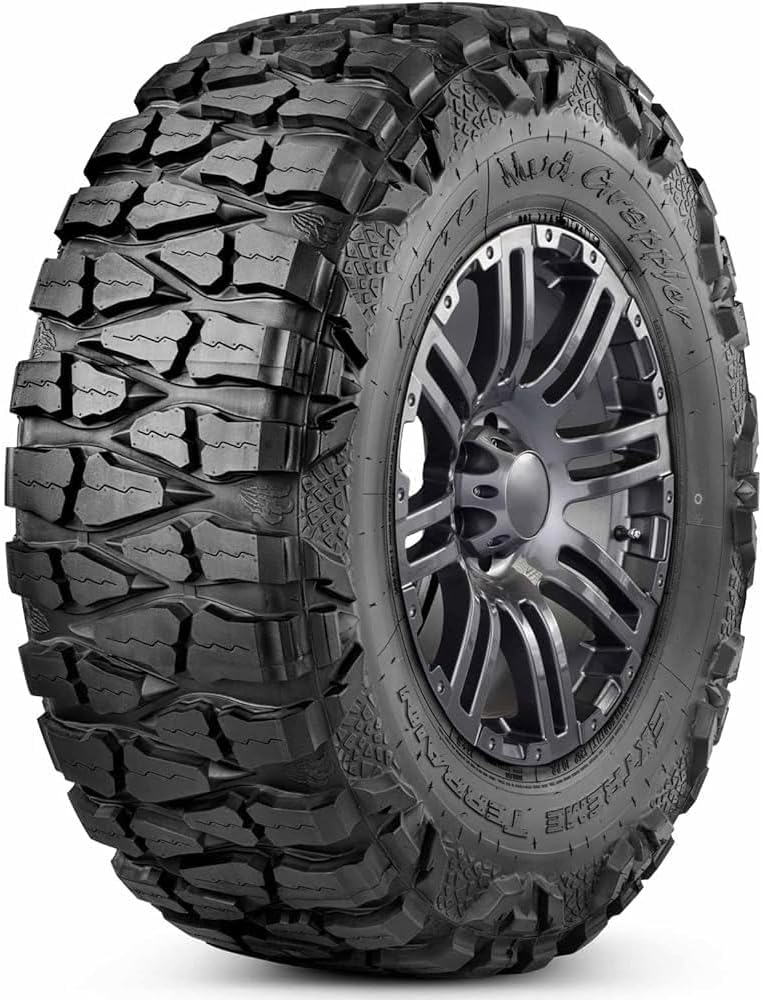
The obvious cross-shop if you are already committed to an extreme tread. All-radial, 17 flotation fitments from a 33 to a 40, and a US brand with wider dealer support. Worth pricing against a Badak in the same size before you commit.
Visit website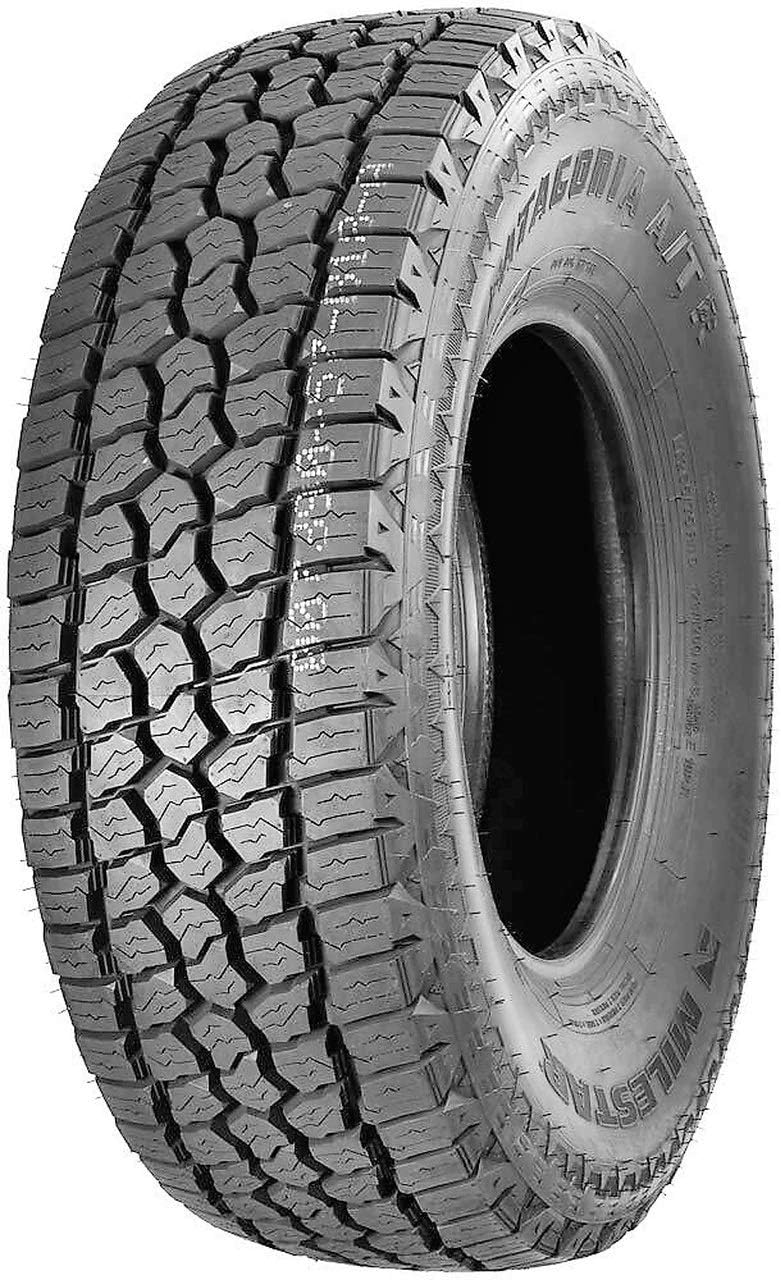
Milestar Patagonia
The step down from mud-terrain, for the same truck when most of its year happens on asphalt. Nine models covering highway through mud, two of them carrying the 3PMSF severe-snow rating that no Badak size does.
Visit website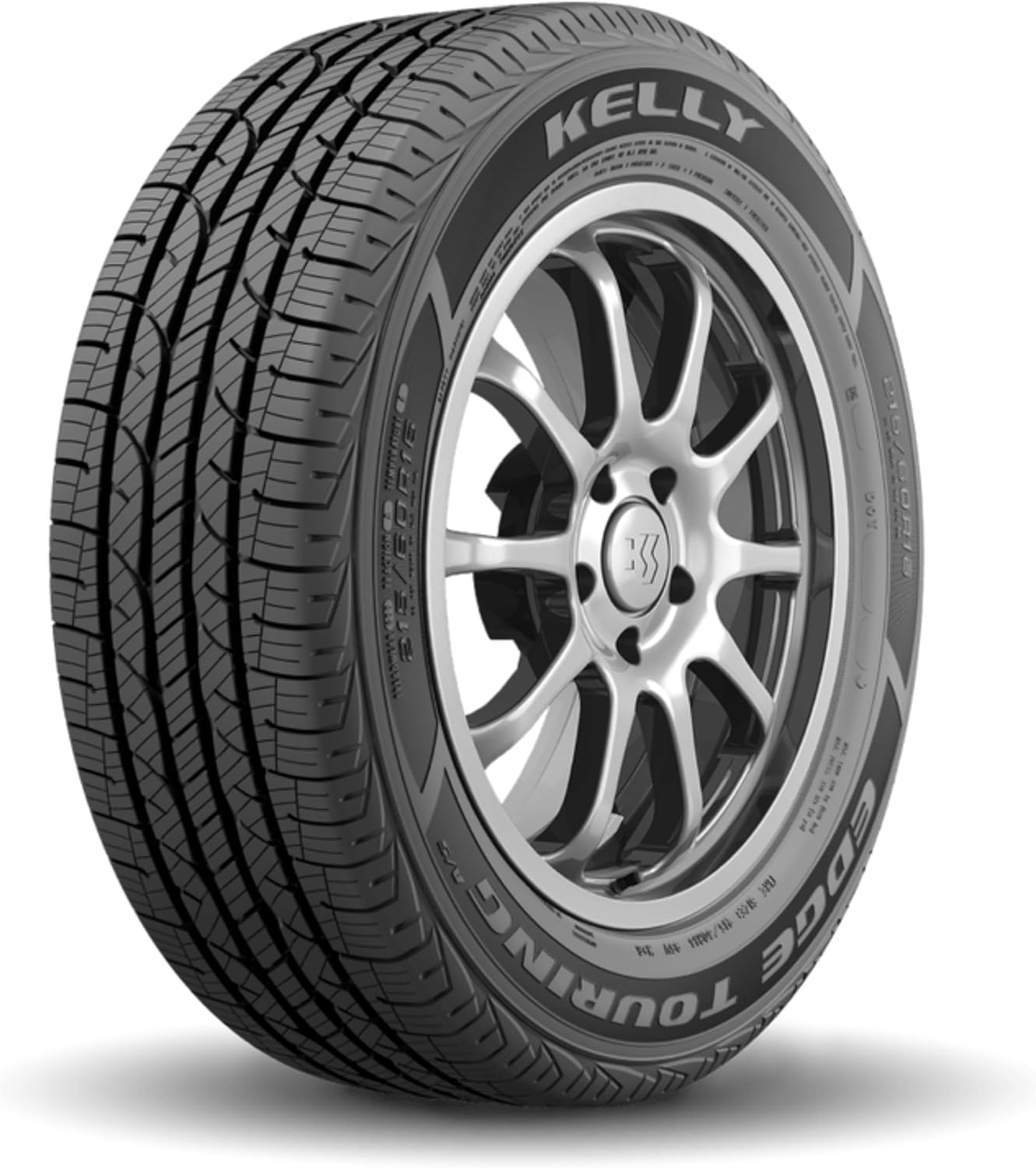
Kelly
For the vehicle that tows the trail rig rather than the one that goes down the trail. Goodyear has run Kelly as its value badge since 1935, and the Edge line covers touring and light-truck fitments cheaply.
Visit websiteFind Your Badak X-Treme Fitment
Take the wheel diameter and load requirement from the vehicle, measure the clearance you actually have, then check the full size designation for construction. A tire that fits the rim is not automatically the right tire for the build.
Shop Accelera Badak X-Treme